
Showing 1–16 of 40 resultsSorted by price: low to high
-

 Sale!
Sale!
Solar Kit: SMA 12 panel Q.Cell Grid Tie
SKU: 43036Original price was: $7,110.00.$6,240.00Current price is: $6,240.00. -
-
 Sale!
Sale!Solar Kit: SolarEdge 12 panel Q.Cell Grid Tie
SKU: 43016Original price was: $7,820.00.$6,950.00Current price is: $6,950.00. -
-

-
-
-
Sale!

Solar Kit: SMA 18 panel Q.Cell Grid Tie
SKU: 43037Original price was: $10,300.00.$9,010.00Current price is: $9,010.00. -
Sale!
Solar Kit: SolarEdge 18 panel Q.Cell Grid Tie
SKU: 43017Original price was: $11,500.00.$10,200.00Current price is: $10,200.00. -
-
Sale!

Solar Kit: SMA 24 panel Q.Cell Grid Tie
SKU: 43038Original price was: $12,780.00.$11,050.00Current price is: $11,050.00. -
 Sale!
Sale!
Solar Kit: Sol-Ark 12 panel Q.Cell Hybrid
SKU: 43026Original price was: $12,070.00.$11,210.00Current price is: $11,210.00. -
-
-
-
What is a micro-inverter?
A micro-inverter is an inverter that pairs with a single solar panel to manage the DC-to-AC power inversion for that individual panel.
In micro-inverter systems, there is no centralized inverter. Instead, each panel is hooked up to its own micro-inverter.
Pros and Cons of Micro-Inverters
Each panel and micro-inverter pairing is essentially a self-contained single-panel solar electric system. This means that panels can be built in any configuration or orientation, and micro-inverter systems can be as small or as large as you need them to be.
Micro-inverters monitor and regulate the output of the solar panel they are connected to. If a panel is under-producing, you can easily flip that panel on or off to troubleshoot or replace it, without affecting the rest of the array.
Micro-inverters also allow you to start with a small-scale system that matches your budget, then expand down the road.
If you want to start with a single solar panel, that’s completely doable with micro-inverters. You’ll start saving money immediately, since solar is cheaper than buying power from the utility, and you’ll be negating a portion of your bill. Later down the line, you can scale the system up to offset 100% of your household energy usage.
The tradeoff for this convenience is that micro-inverters are the most expensive option on a cost-per-watt basis. Once you scale into larger-scale systems, string inverters (with or without optimizers) are more cost-effective than micro-inverter systems.
Learn More About Micro-Inverters
Not sure if string inverters are the right choice for your system? Continue your research with these resources:
Review: Enphase IQ7+ micro-inverter
String inverters vs. Micro-inverters vs. Power Optimizers
Best grid-tie solar inverters
Solar Inverter Buying Guide
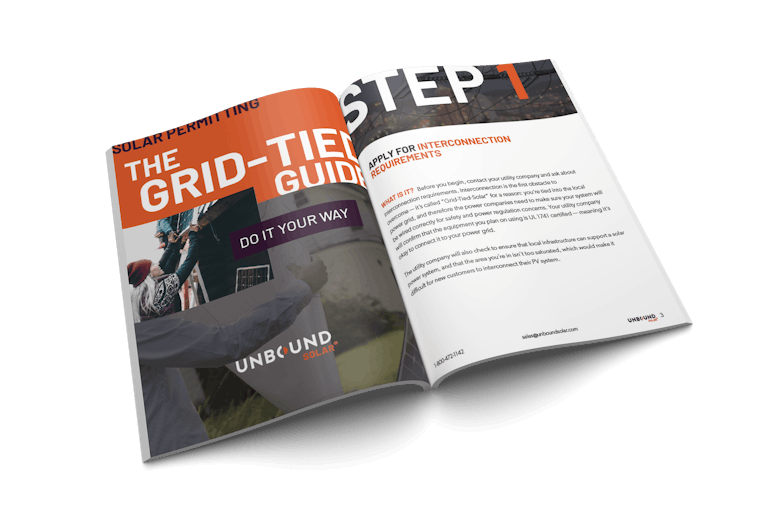
Download "Getting Started With Solar"
New to solar? Download our free guide to learn the basics and get started designing a system that’s right for you.
Get free guide »